
XINGSHUN TEXTILE supports fabric buyers with practical factory coordination across development, sampling, production follow-up, finishing, and shipment preparation. This factory profile gives buyers a closer look at the production environments and support systems behind our fabric sourcing and development work.
For brands, wholesalers, and sourcing teams, factory strength is not only about equipment. It is about whether the production process is organized, whether samples can be reviewed clearly, whether fabric specifications remain consistent, and whether communication stays stable from development to delivery.
Organized Production Support
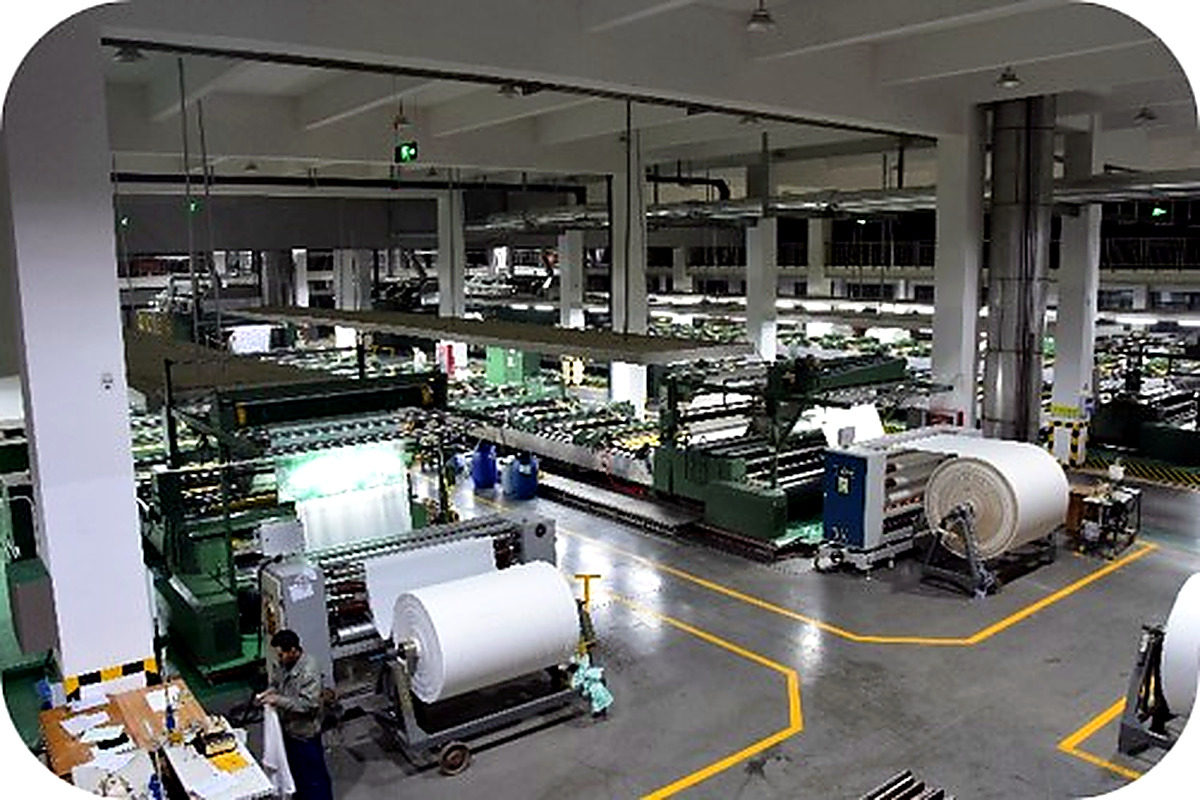
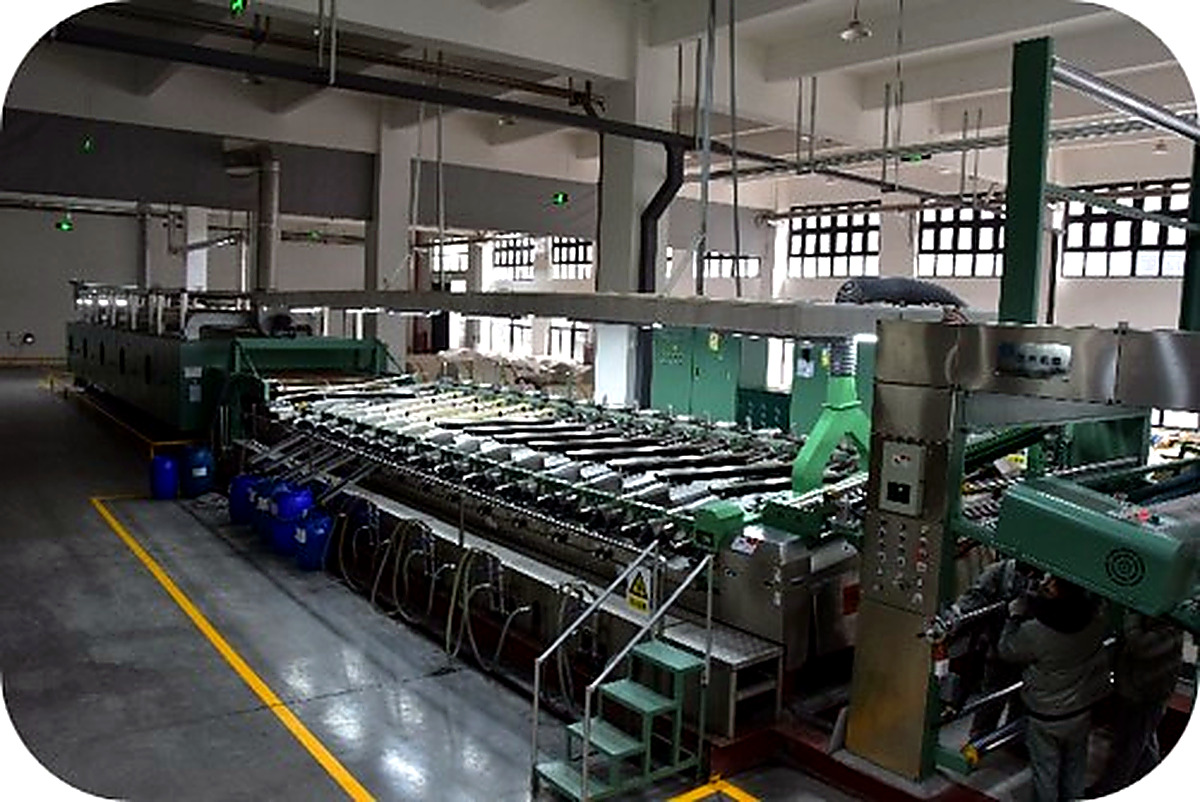
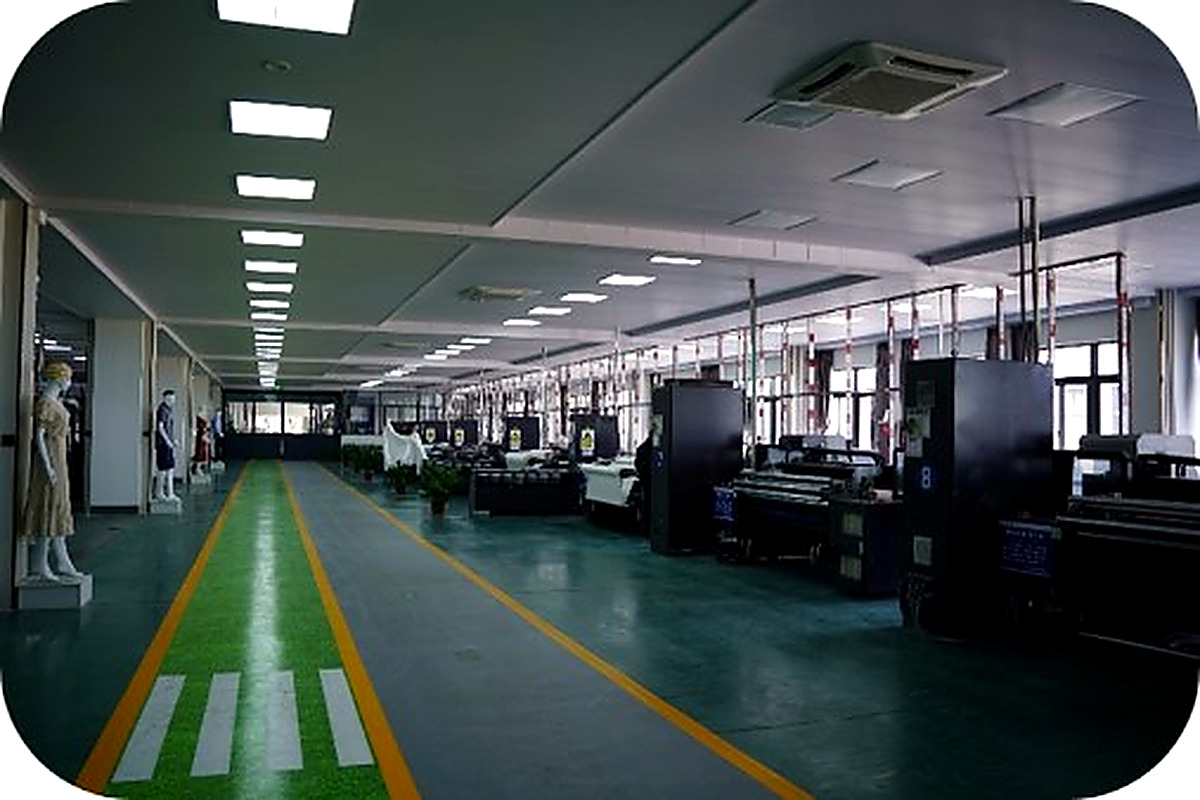
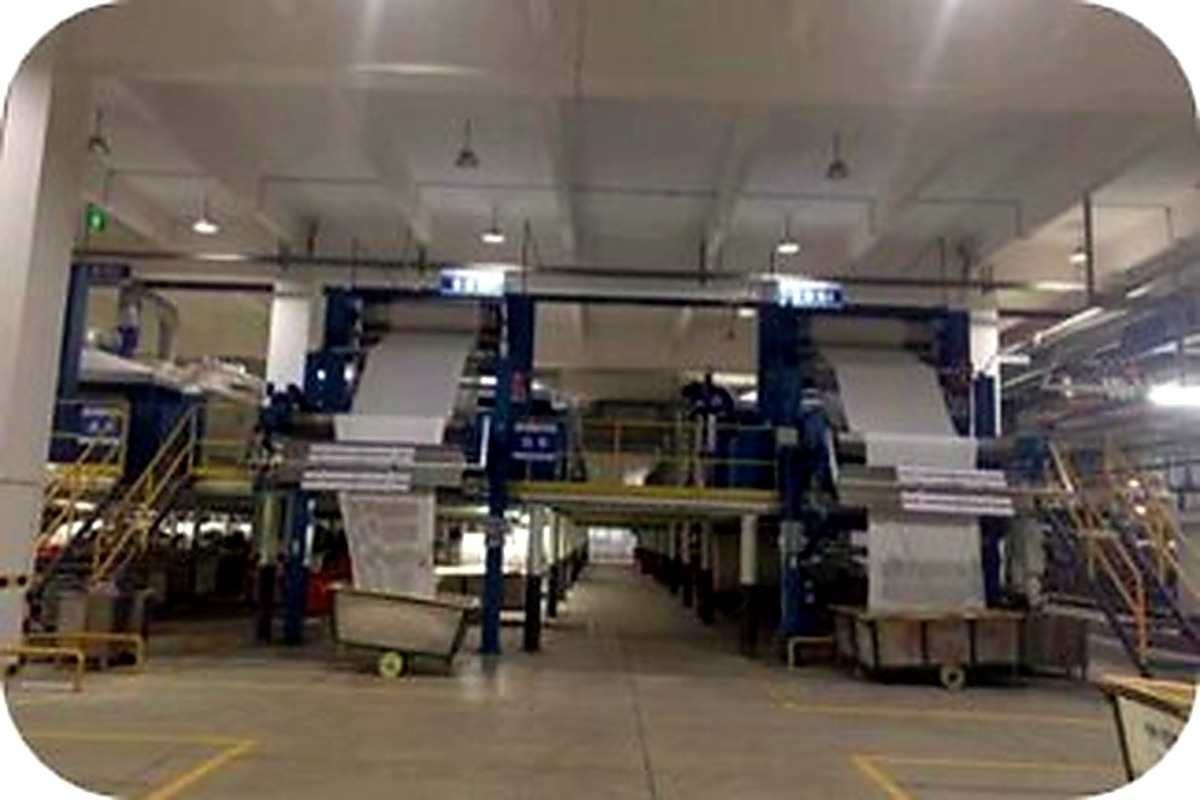
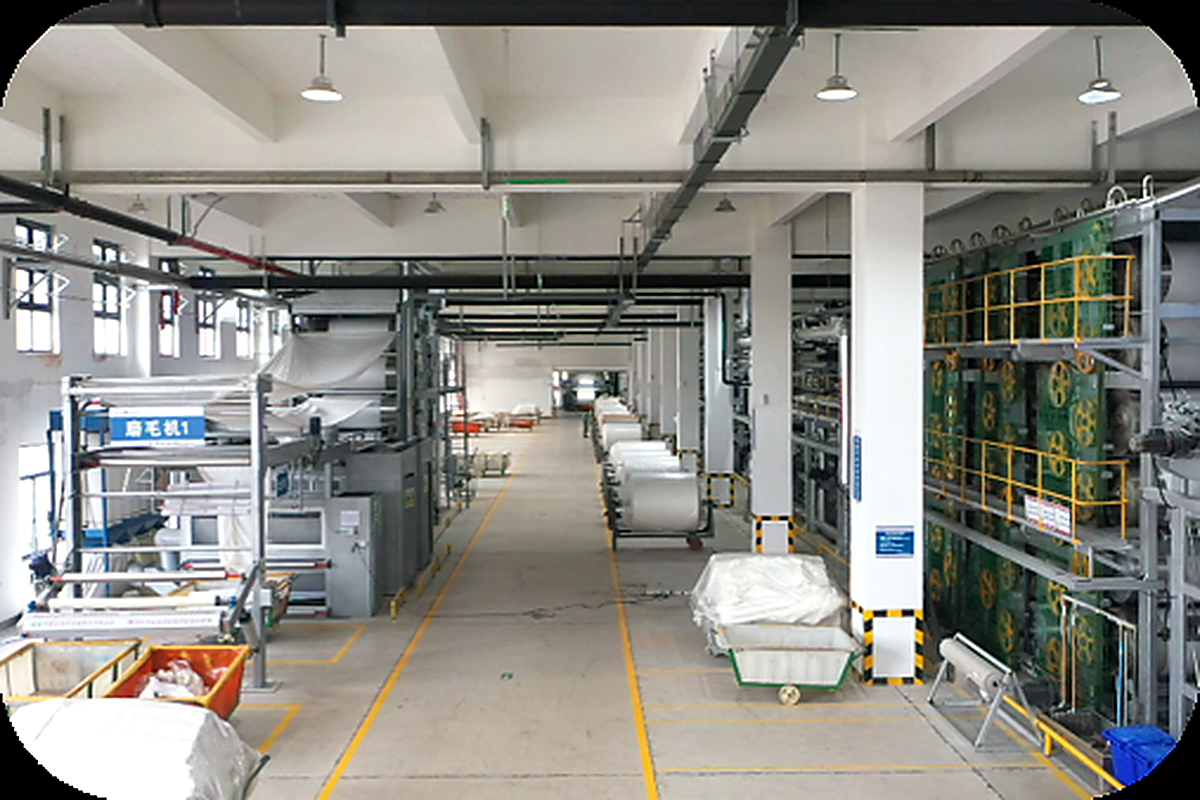
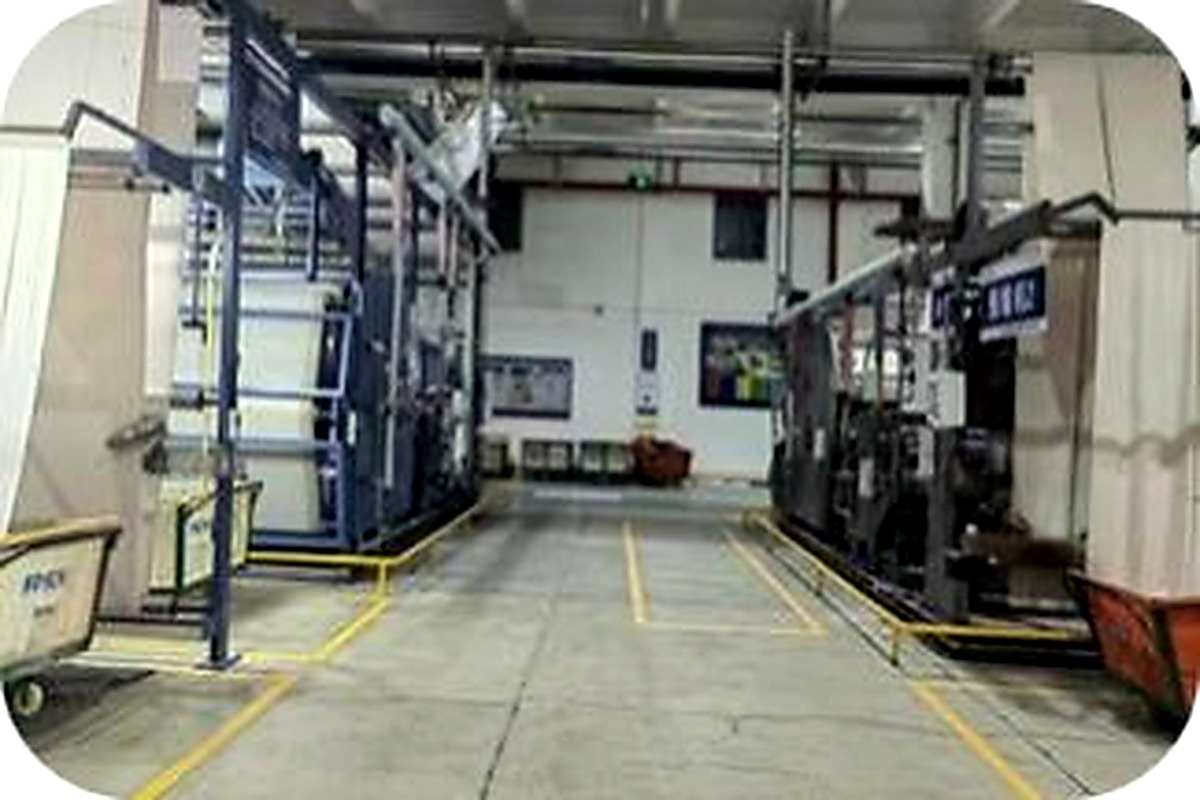
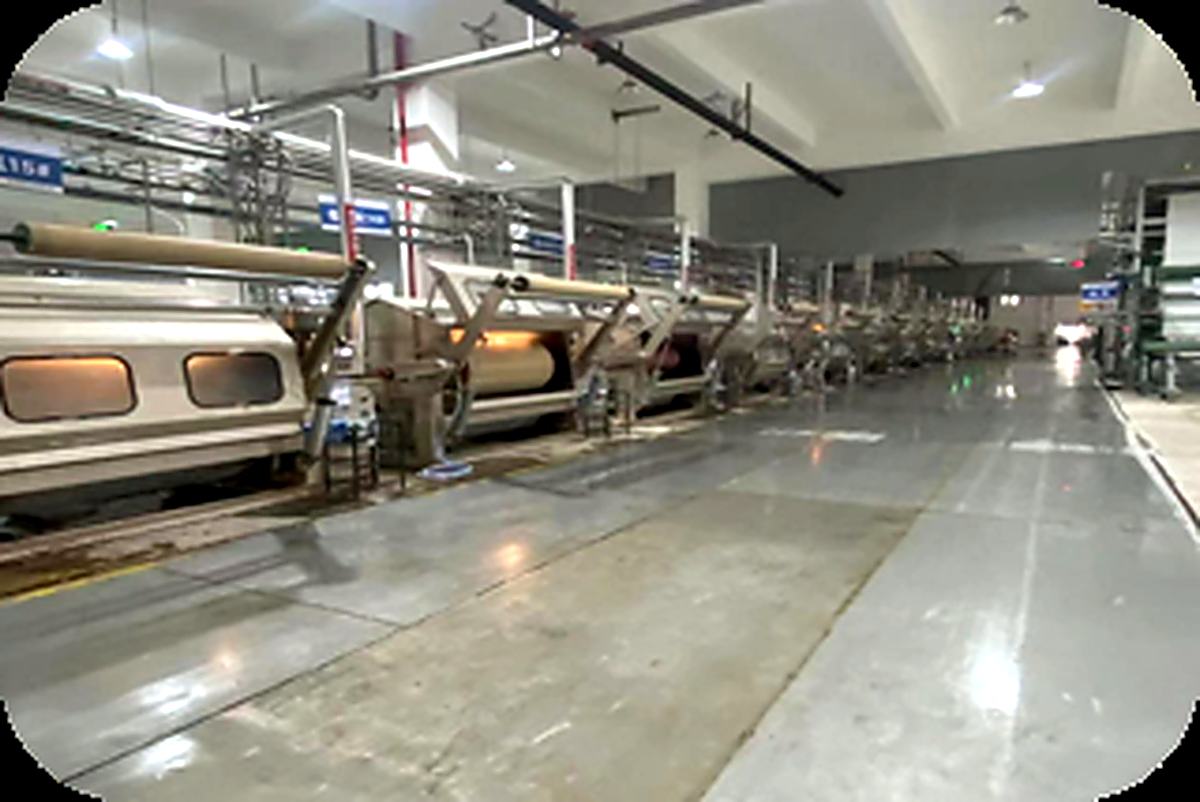
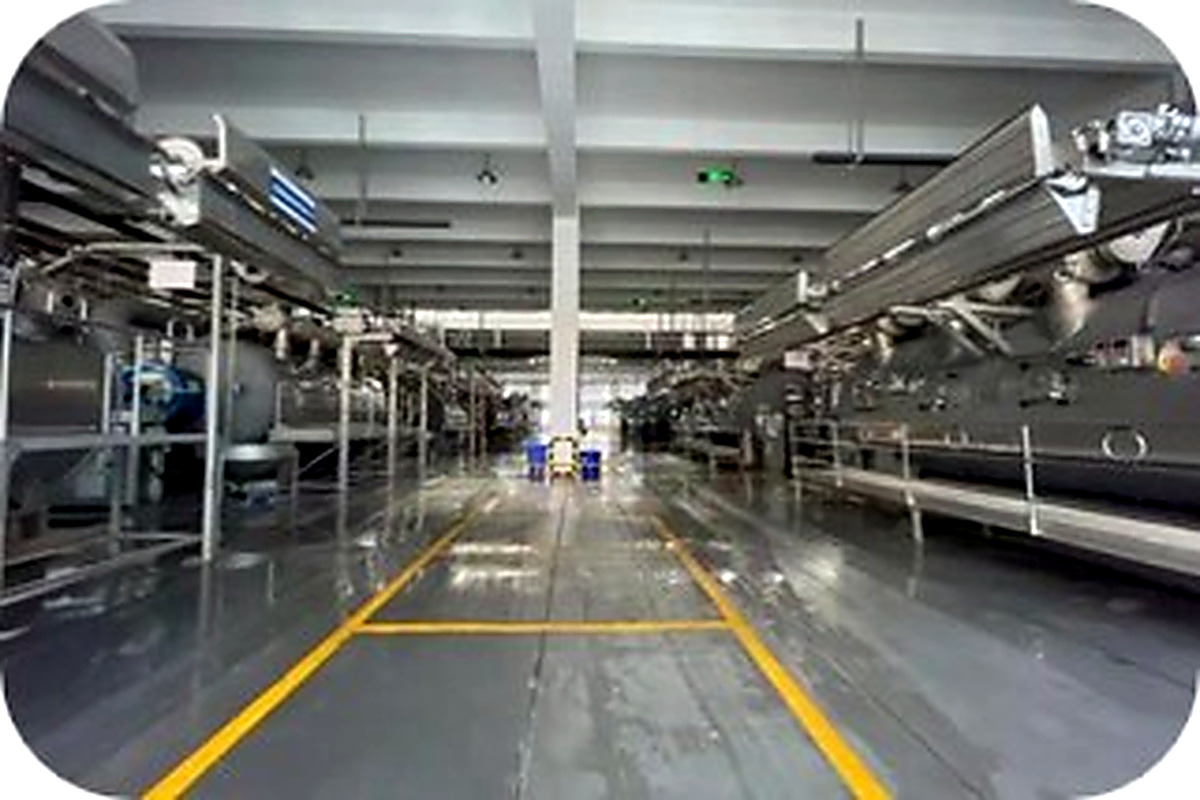
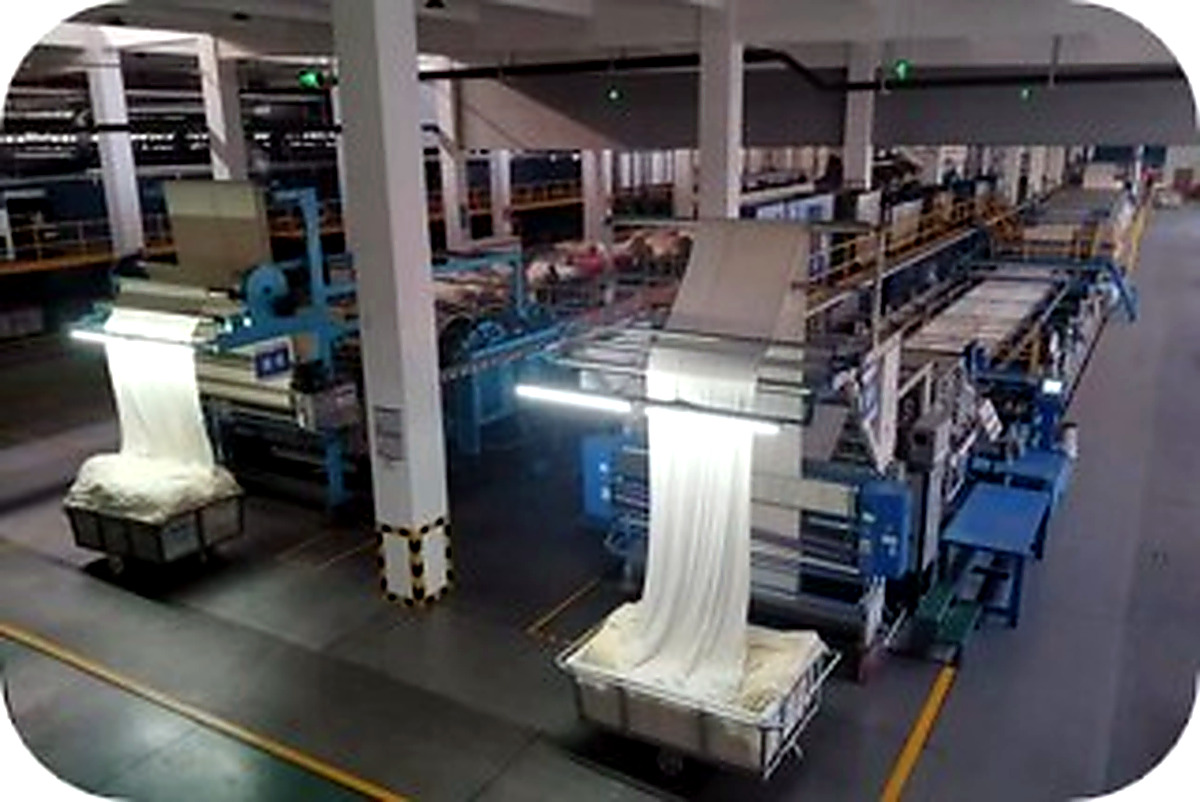
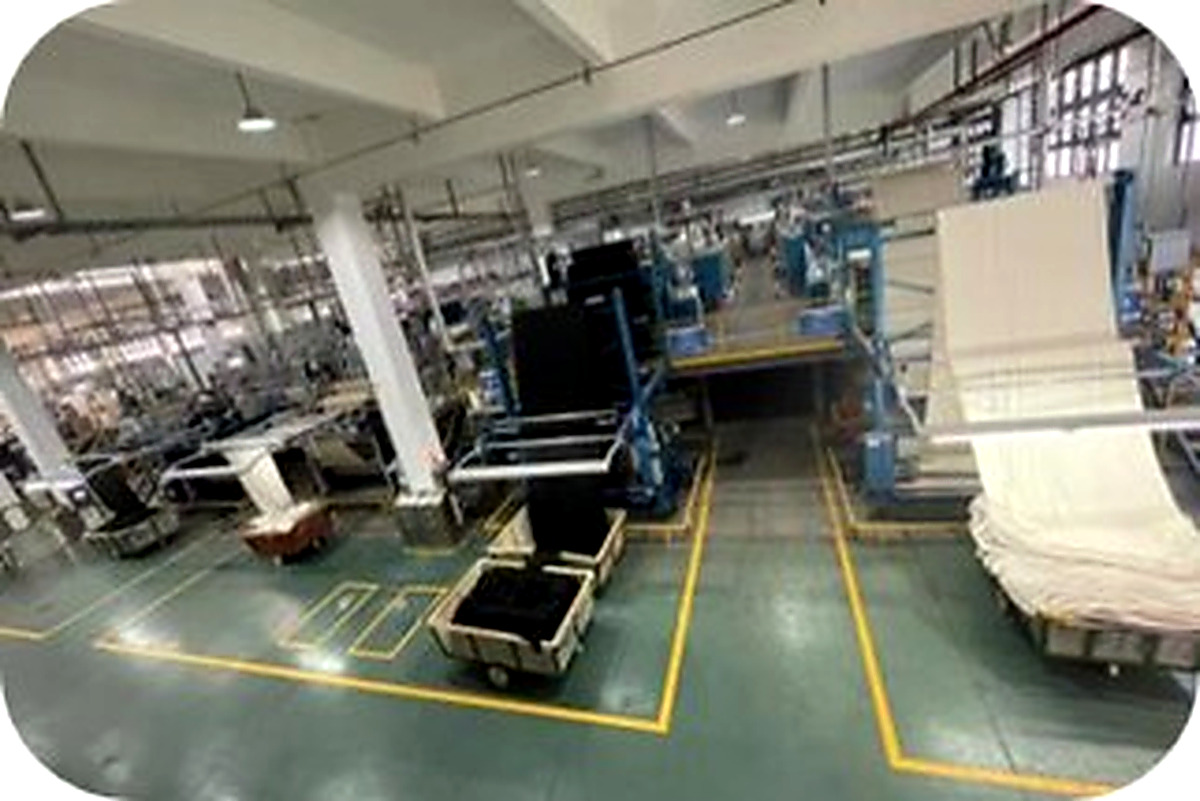
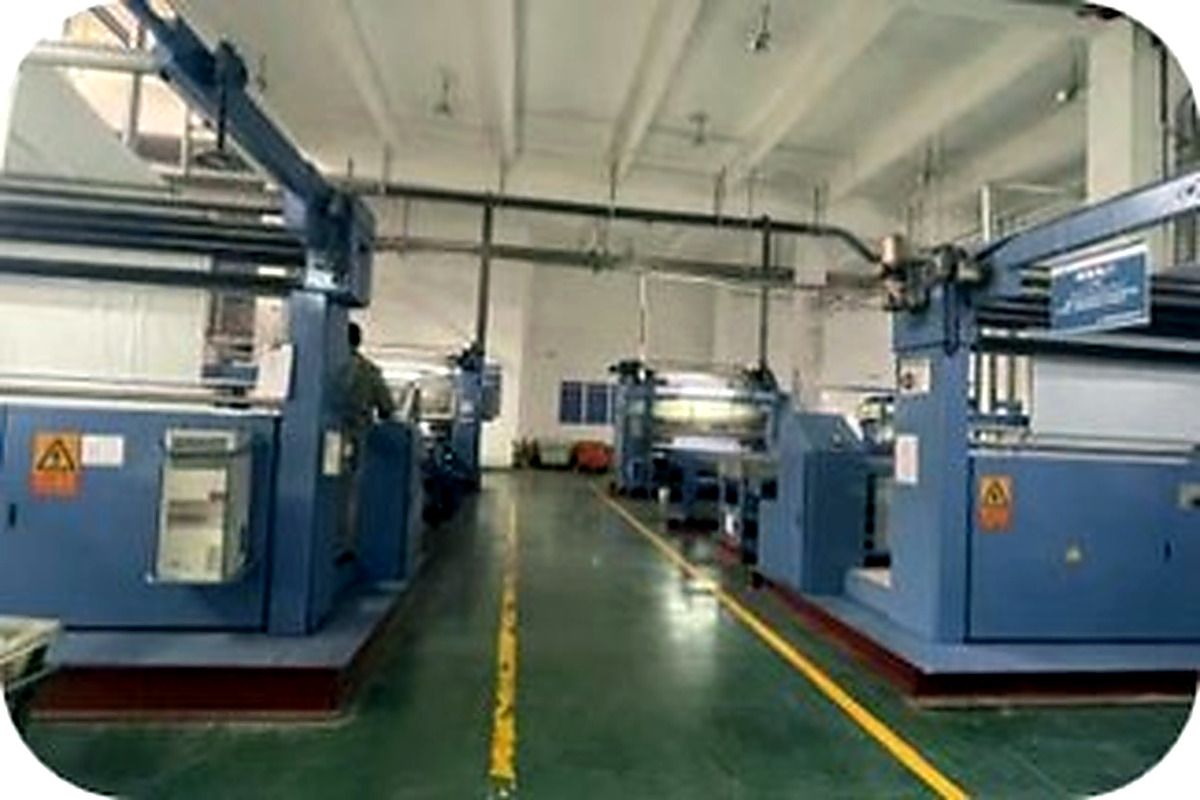
The factory environment supports multiple textile production and finishing processes, with organized workshop areas, production lines, and equipment zones for fabric development and order follow-up. These images help buyers understand the scale and structure behind our textile support.
XINGSHUN TEXTILE uses this production foundation to coordinate fabric review, sampling, quality checkpoints, and delivery preparation for business partners who need dependable fabric supply and clear communication.
Printing Capability
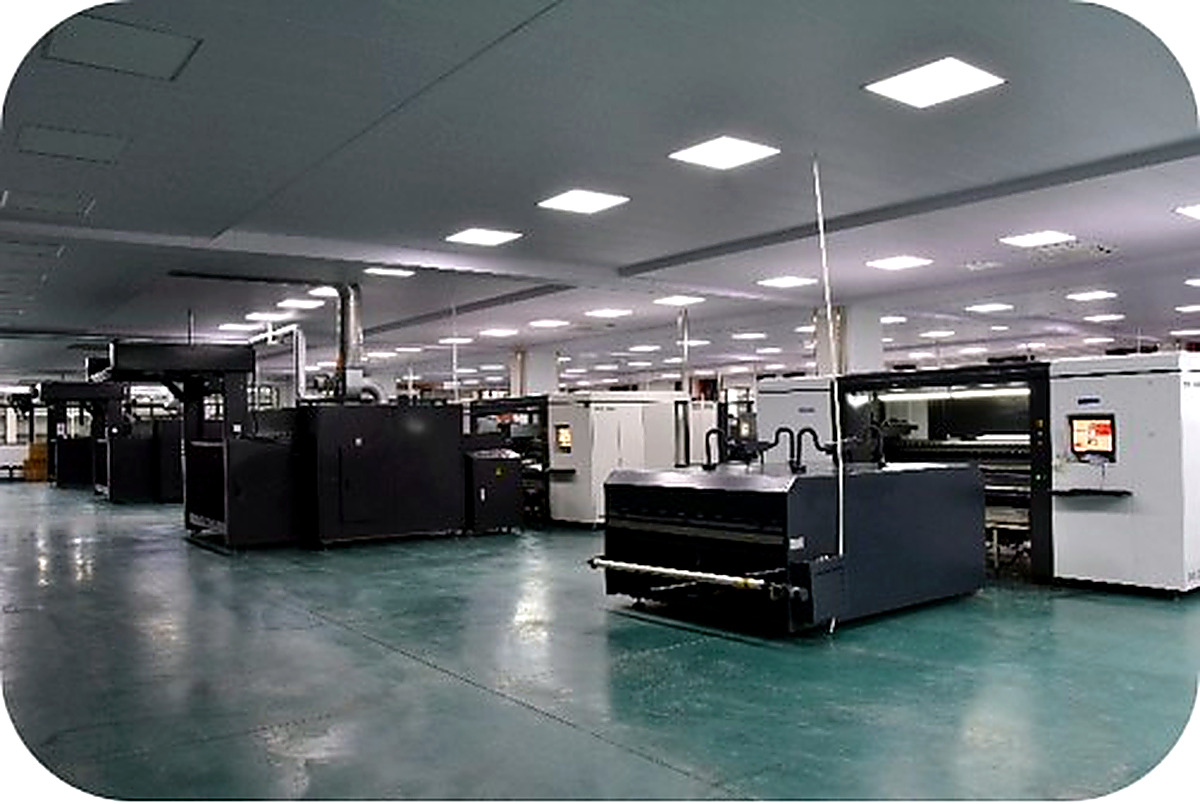
Printing capability supports fabric development when customers need color, pattern, artwork, or surface design options. The production setup includes screen printing, rotary screen printing, digital printing, and automatic paste mixing and color matching support.
These systems help connect design requirements with production execution. For buyers, this means artwork, color direction, and print development can be reviewed with clearer technical context before bulk production decisions are made.
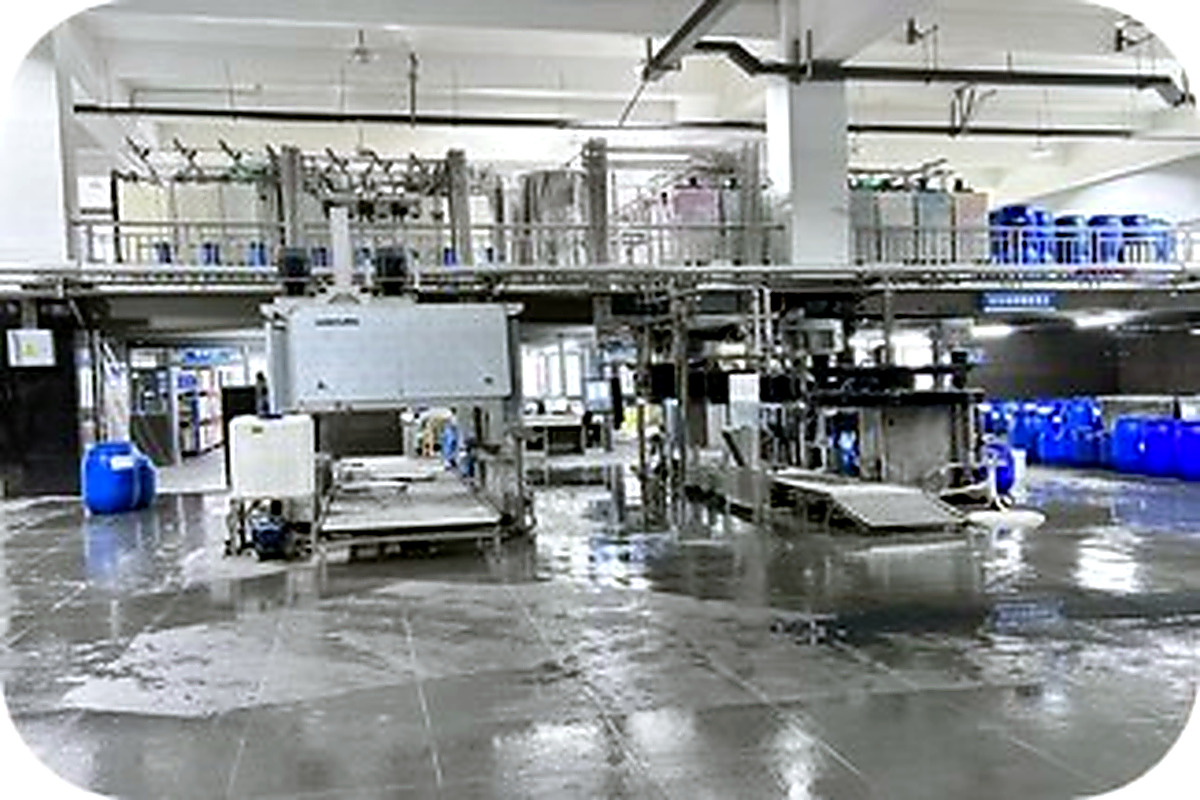
Pad Dyeing & Finishing Support
Dyeing and finishing are important for fabric appearance, handfeel, stability, and final performance. The production environment includes scouring and bleaching, mercerizing, continuous dyeing, stenter setting, sueding, preshrinking, and jigger dyeing support.
This part of the process helps fabric move from raw or prepared material toward a more stable finished textile. It also gives buyers a clearer basis for discussing color, texture, width, shrinkage, and finishing expectations.
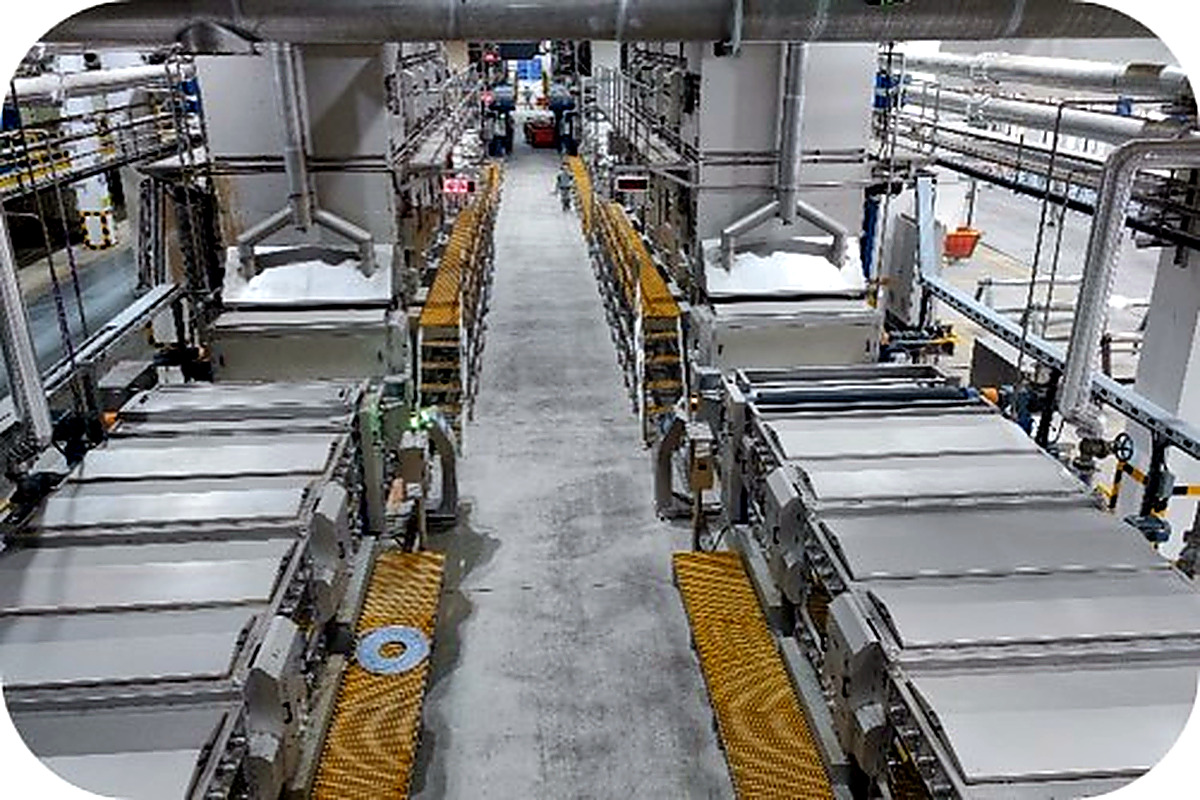
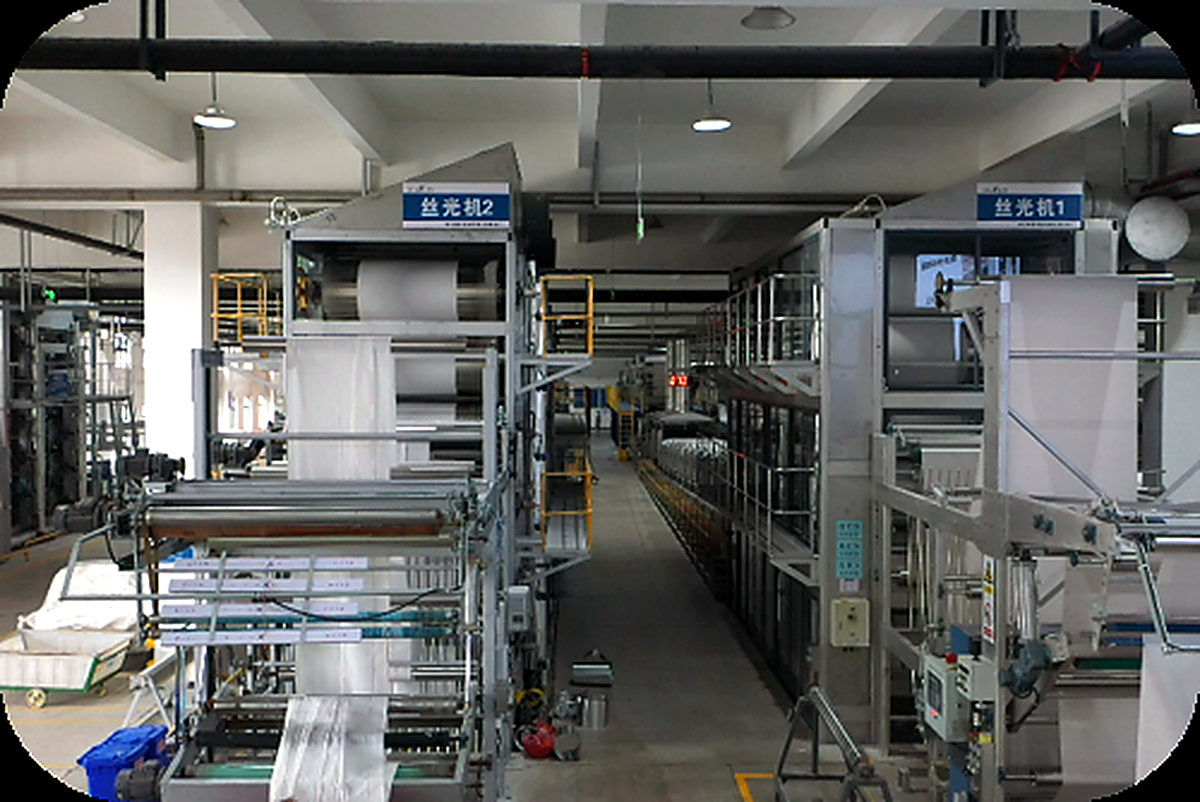
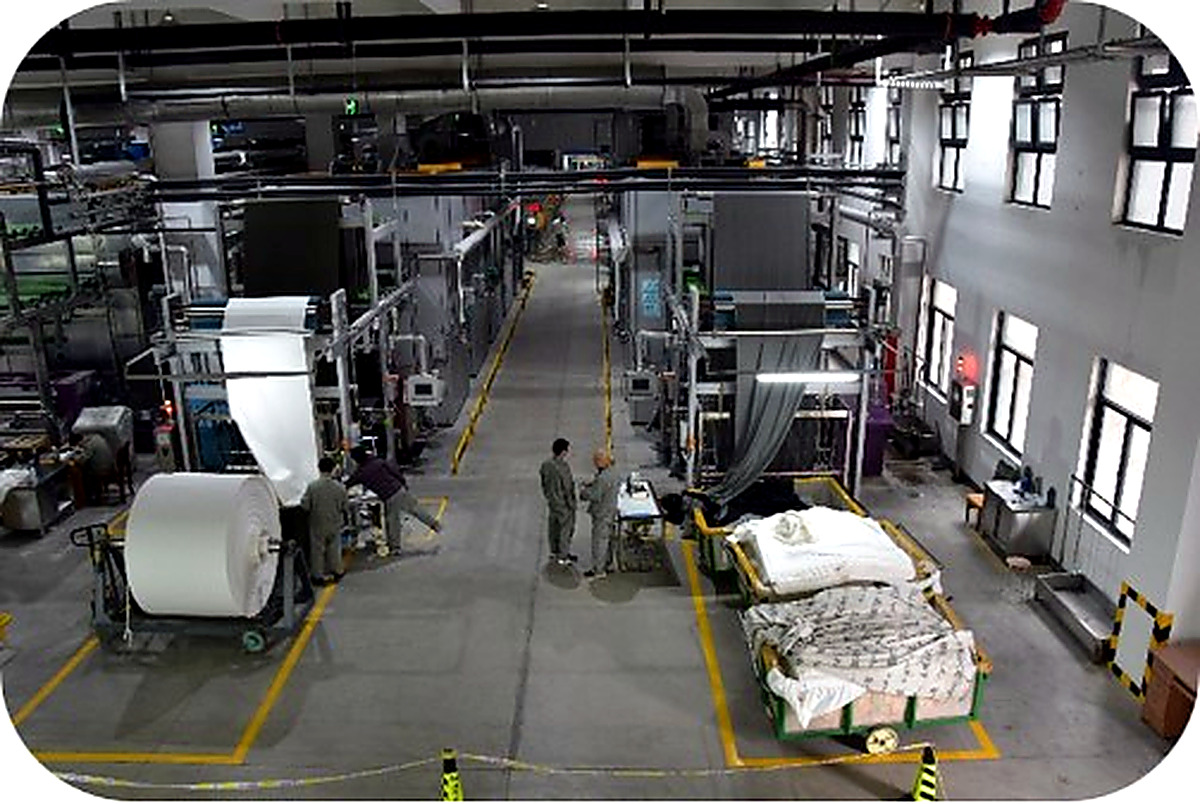
Knitted Fabric Dyeing & Finishing
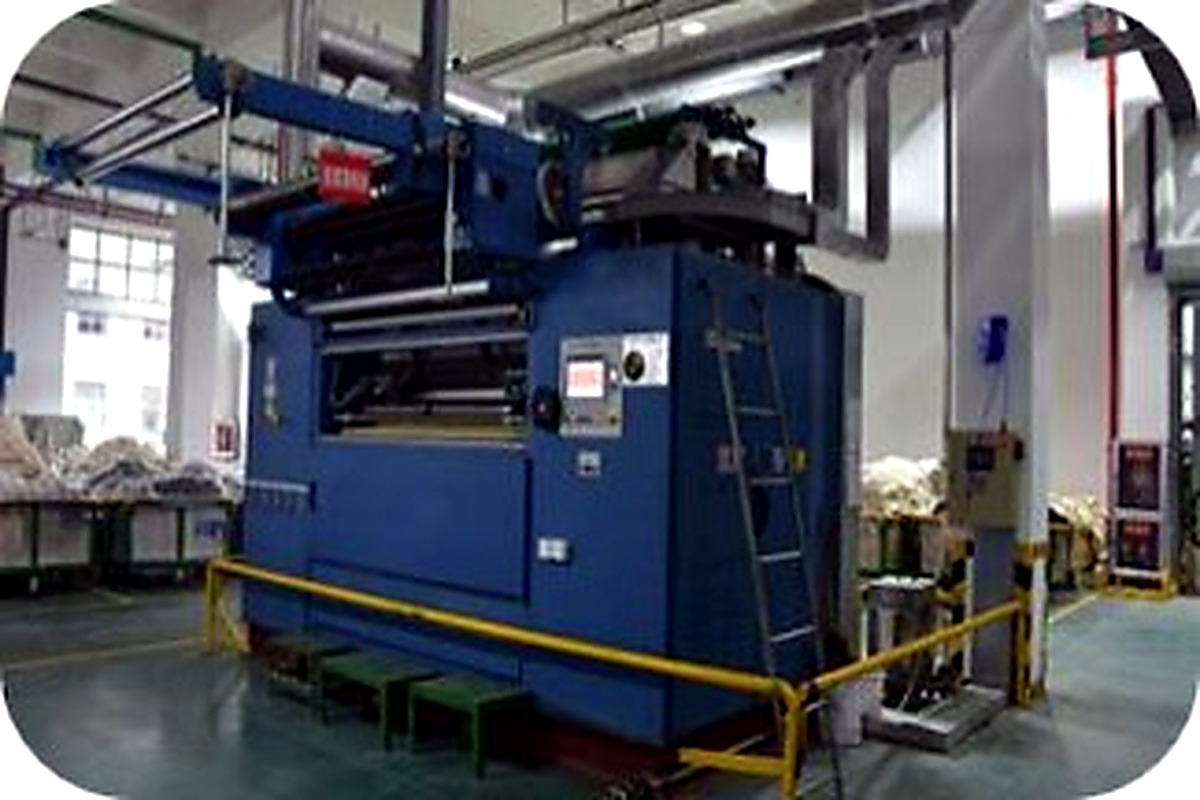
For knitted fabrics, dyeing and finishing require careful control of fabric structure, elasticity, handfeel, and dimensional stability. The equipment shown here supports low liquor ratio dyeing, knitted fabric mercerizing, stenter setting, preshrinking, and decatizing.
These processes help support more consistent fabric development and repeat production, especially when buyers need fabric references, approved samples, and ongoing order specifications to stay aligned.
Environmental Systems
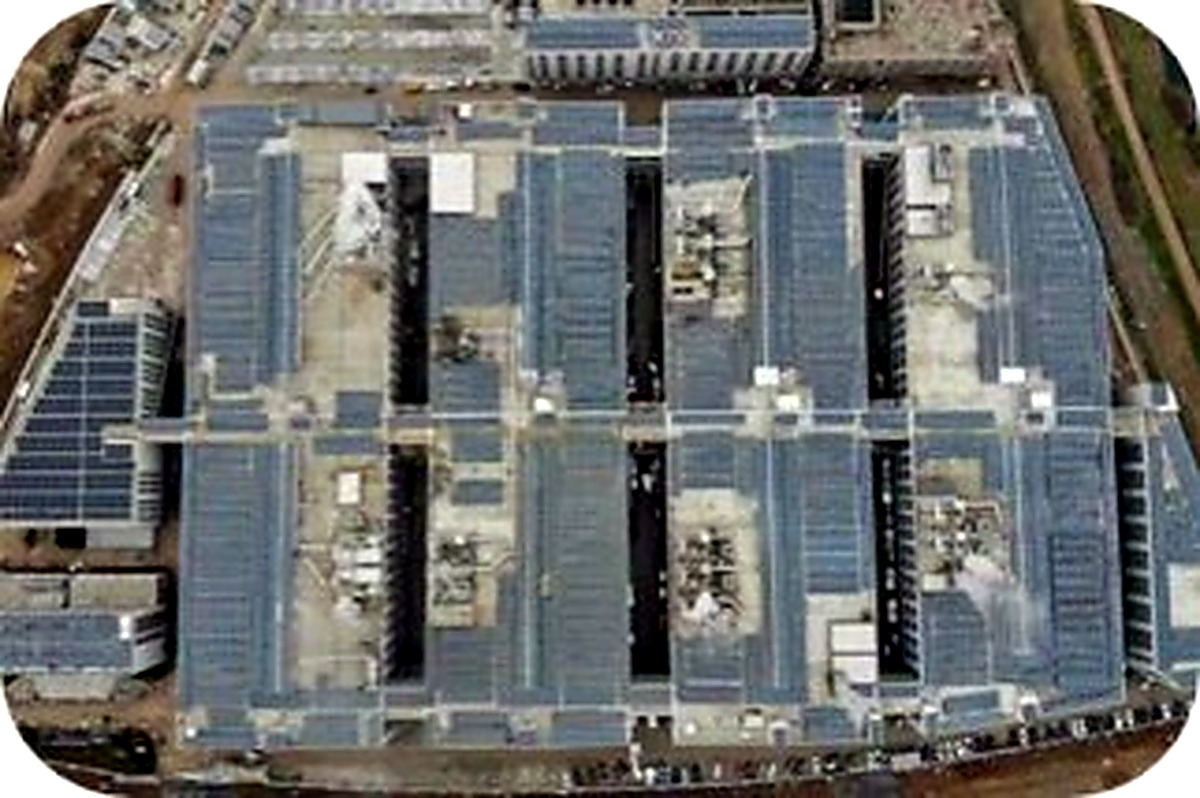
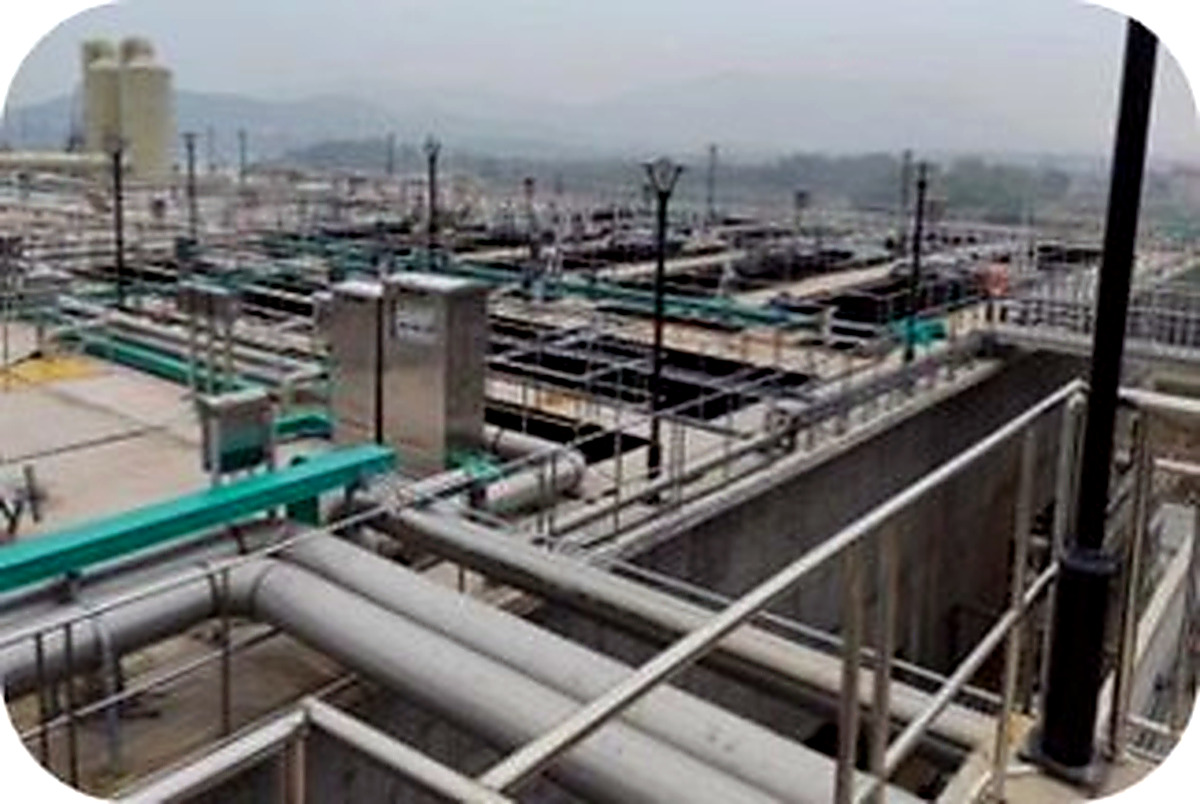
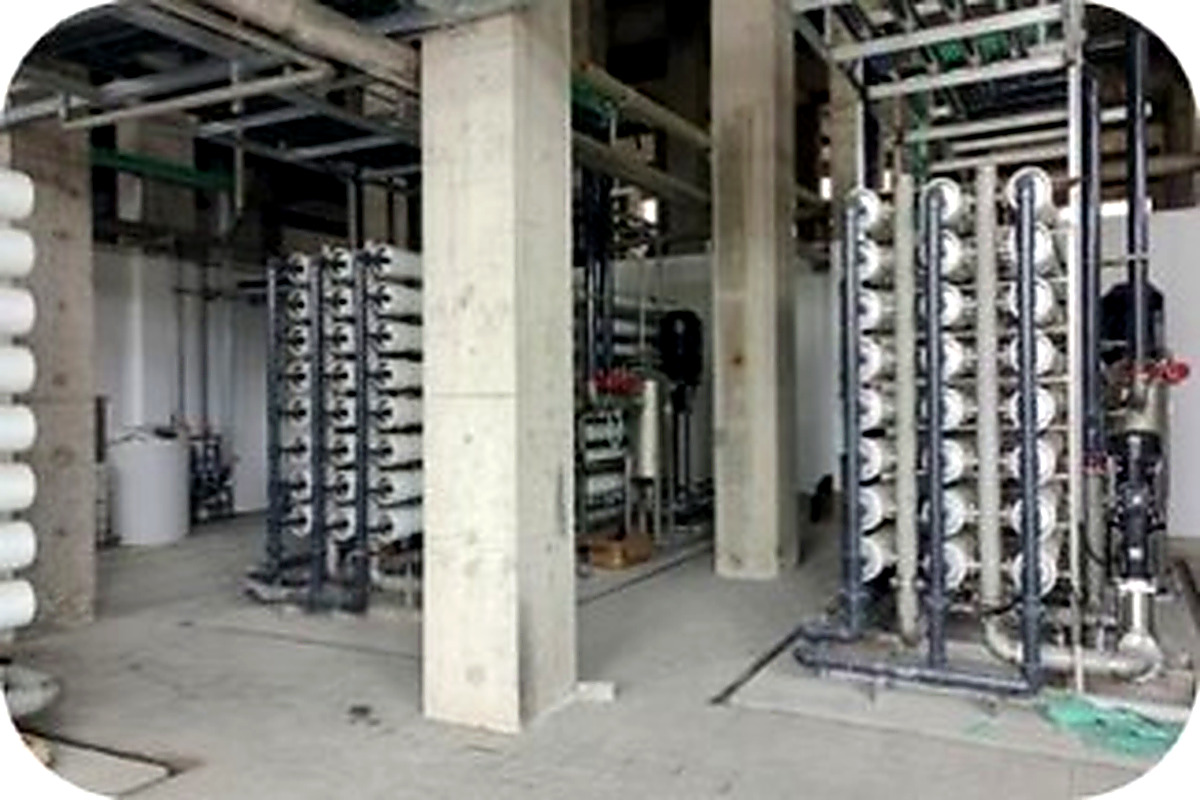
Responsible textile production also depends on supporting systems outside the main production floor. The factory images include rooftop solar coverage, wastewater treatment, and membrane treatment systems.
For buyers, these systems provide additional context about long-term production responsibility, operational organization, and the infrastructure behind continuous textile manufacturing.
How This Supports Buyers
XINGSHUN TEXTILE connects product development, fabric review, sample confirmation, quality coordination, and production follow-up into a clearer sourcing process. The goal is to help buyers understand not only what fabrics are available, but also how production support can help keep specifications, samples, and communication aligned.
For fabric sourcing, custom development, quality review, or production coordination, contact XINGSHUN TEXTILE at xingshun.textile@gmail.com.